Marketing Conservation Cohort 2026
Four Orleans County farms. One shared commitment to conservation.
In 2026, OCNRCD partnered with four Orleans County farms to help bring the conservation work happening on their land into clearer view for fellow farmsers, communities and customers to see. Through training, storytelling, photography, video, and hands-on marketing support, funded by the VT Agricultural Clean Water Initiative Program (AgCWIP) grant, the Marketing Conservation Program helped farmers share the ways they are caring for soil, water, wildlife, and the future of their farms.
Conservation is happening every day. This program helped tell that story.
Conservation Worth Sharing
Conservation doesn't always announce itself.
Sometimes it's a fence keeping cattle out of a stream. Sometimes it's giving a pasture time to rest, returning nutrients to the soil, managing a sugarbush for wildlife, or finding ways to use less fuel and water.
Across Orleans County, farmers are making decisions every day that affect the health of their land, their animals, their communities, and the waterways downstream.
The 2026 Marketing Conservation Program was created to help make that work more visible.
Funded through the VT Agriculture Clean Water Initiative Program (AgCWIP) grant, this pilot program brought together four Orleans County farms already implementing conservation practices. The goal was to help farmers communicate the good work they're already doing.
By strengthening farmers' ability to share their stories, we hope to strengthen connections between farms and their communities, help consumers better understand the stewardship behind their food, and inspire more farmers to explore conservation practices that work for their land.
Good conservation deserves to be seen, understood, and shared.
From Conservation to Communication

The Marketing Conservation Program wasn't simply a marketing program. It started with conservation.
Before cameras entered the fields or marketing plans took shape, the Marketing Conservation Cohort farmers came together to build a shared foundation through Conservation 101, a one-day training that brought together our cohort, Vermont farmers, conservation professionals, and agricultural partners for conversations about how conservation works across the landscape.
Participants explored:
- Watershed planning and downstream water quality
- Grazing systems, soil health, and pasture productivity
- River science and floodplain management
- Working lands conservation in Vermont
- Conservation funding and regulatory considerations
- How to communicate conservation practices in ways the public can understand
The training emphasized both the how and the why of conservation: how practices function on the farm, and how their benefits can extend beyond the farm gate to influence soil health, water quality, flood resilience, and the broader community.
It also launched the next phase of the Marketing Conservation Cohort: helping farmers turn that conservation work into stories people can see, understand, and connect with.
Featured Speakers:
| Sarah Damsell | Executive Director | Orleans County NRCD |
|---|---|---|
| Pam & Matt Heywood | Cofounders | The Image Farm |
| Sacha Pealer | River Scientist & Floodplain Manager | Vermont DEC |
| Ben Copans | Watershed Planning Supervisor | Vermont DEC |
| Clara Fernandez Odell | Working Lands Specialist | Essex County NRCD |
| Amber Reed | Grazing Specialist | UVM Extension |
Learn more about the Conservation 101 Training.
Four Farms. Four Stories of Stewardship.

The 2026 cohort brought together four farms with different products, landscapes, and conservation priorities.
What they share is a commitment to caring for the land that supports their farms.
Over the course of the program, each farmer workd with OCNRCD's Community Engagement & Communications Program Specialist and the marketing team at The Image Farm to dig into their farm's history, values, conservation practices, and vision for the future.
Then we followed them outside.
Our marketing consultants, photographer, videographer, and community engagement specialist spent time in the fields, pastures, sugarbushes, and working landscapes where conservation happens.
The result is a collection of stories and media designed to help people see conservation where it actually happens: on working farms.
AJ's Happy Chick Farm
Conservation from the ground up.
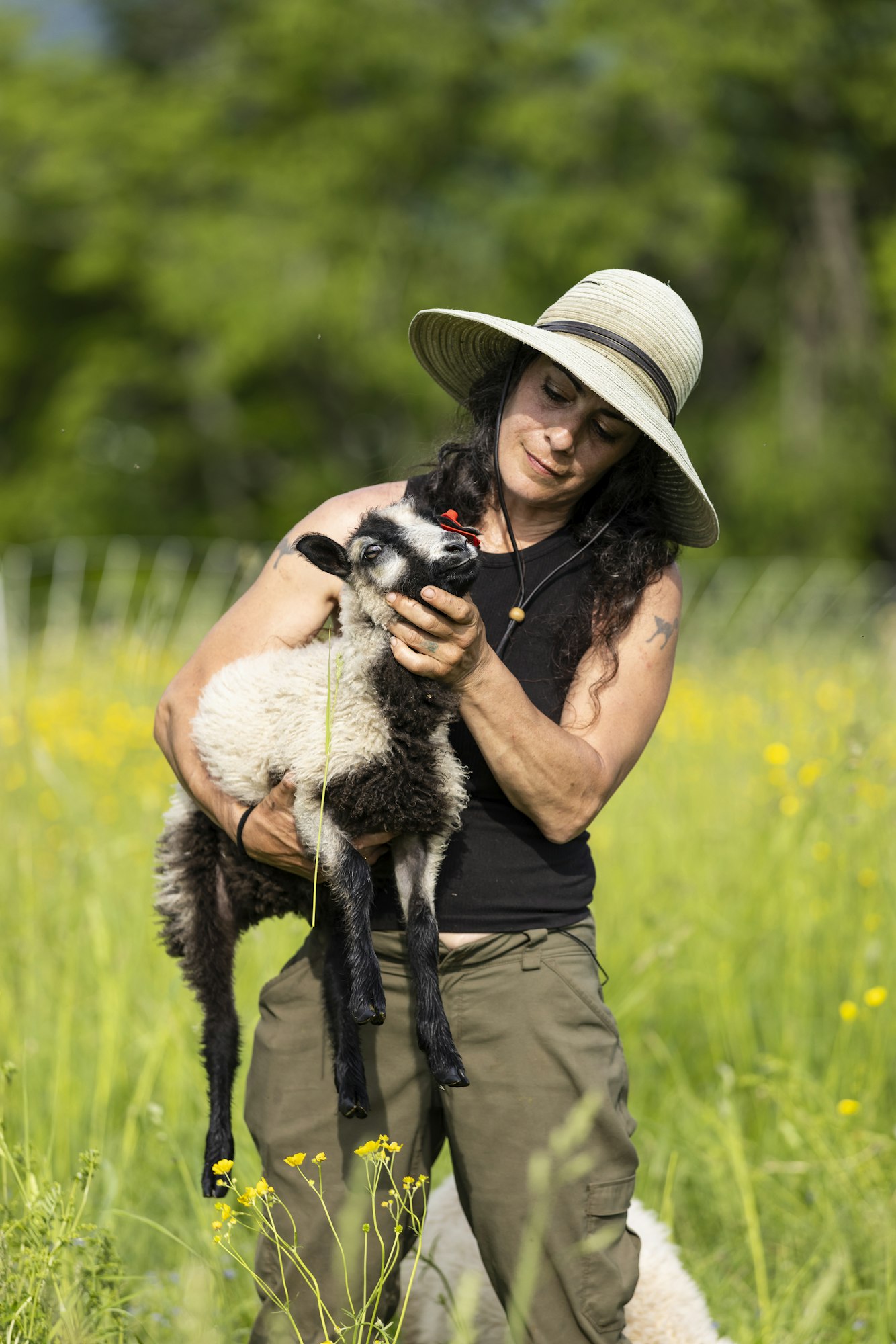
At AJ's Happy Chick Farm, stewardship shows up across the whole farm, from rotational grazing and stream protection to building healthy soils and using renewable energy. Through the Marketing Conservation Cohort, we helped bring those practices and the story behind them into the spotlight.
See How They Steward the Land →

Ledgenear Farm
Working with the land, not guessing at it.
At Ledgenear Farm, conservation is grounded in understanding what the land needs. From nutrient and manure management to rotational grazing and reusable packaging, their practices connect the health of their farm with the health of the surrounding landscape.
Explore Ledgenear's Conservation Story →

Maple Mountain Sugarhouse
A sugarbush with more than maple in mind.
Maple Mountain Sugarhouse manages its forest for maple production, wildlife, and long-term forest health. Bird-friendly management, invasive species control, and rotational grazing are all part of their approach to caring for a diverse working landscape.
See Conservation in the Sugarbush →

Sweet Rowen Farmstead
Conservation in the rhythm of the farm.
At Sweet Rowen Farmstead, caring for the land is part of the daily work of producing food. Rotational grazing, nutrient management, riparian buffers, and graywater irrigation all play a role in keeping the farm's soil, water, pastures, and herd healthy.
Explore Sweet Rowen's Stewardship Story →
From the Field to the Community
The cohort's marketing work was designed to meet people where they already are.
Throughout the program, participating farms received support with:
Digging into each farm's history, values, and conservation priorities.
Strengthening websites and social media so conservation information is easier for customers and community members to find.
Creating professional visual content that shows conservation practices and daily farm life in action.
Developing farm-specific approaches for communicating stewardship in ways that fit each farm and its audience.
Connecting farmers with people who want to better understand where their food comes from and how working farms care for the land.
The program's total support was valued at $7,500 per participating farm.
What Happens When We Share Conservation?
The purpose of the Marketing Conservation Program extends beyond four farms.
When people understand the work happening behind their food, they have more opportunities to connect with the farmers and lanscapes around them.
When farmers have better tools for communicating their stewardship, conservation becomes easier to see.
And when conservation stories are shared between farmers, communities, and consumers, one farm's experience can become an idea that another farmer takes home.
That is the bigger goal of this work:
Make conservation visible.
Strengthen connections.
Share what works.
Keep the conservation going.


